
Cheesecloth may not be the flashiest tool in a commercial kitchen, but it’s certainly one of the most versatile. Whether you’re running a high-volume restaurant, a catering business, or a food production facility, cheesecloth plays a supporting role in dozens of daily tasks. From straining broths to wrapping herbs, this simple, loosely woven cotton fabric is a kitchen essential that’s often underestimated.
If you’re in charge of purchasing for a commercial kitchen, understanding how to source the right kind—and the right quantity—of cheesecloth can save you time, reduce waste, and help ensure a more consistent workflow for your team. In this post, we’ll cover common culinary uses, differences in grades, and tips for cheesecloth bulk buyers who need reliable supply and quality.
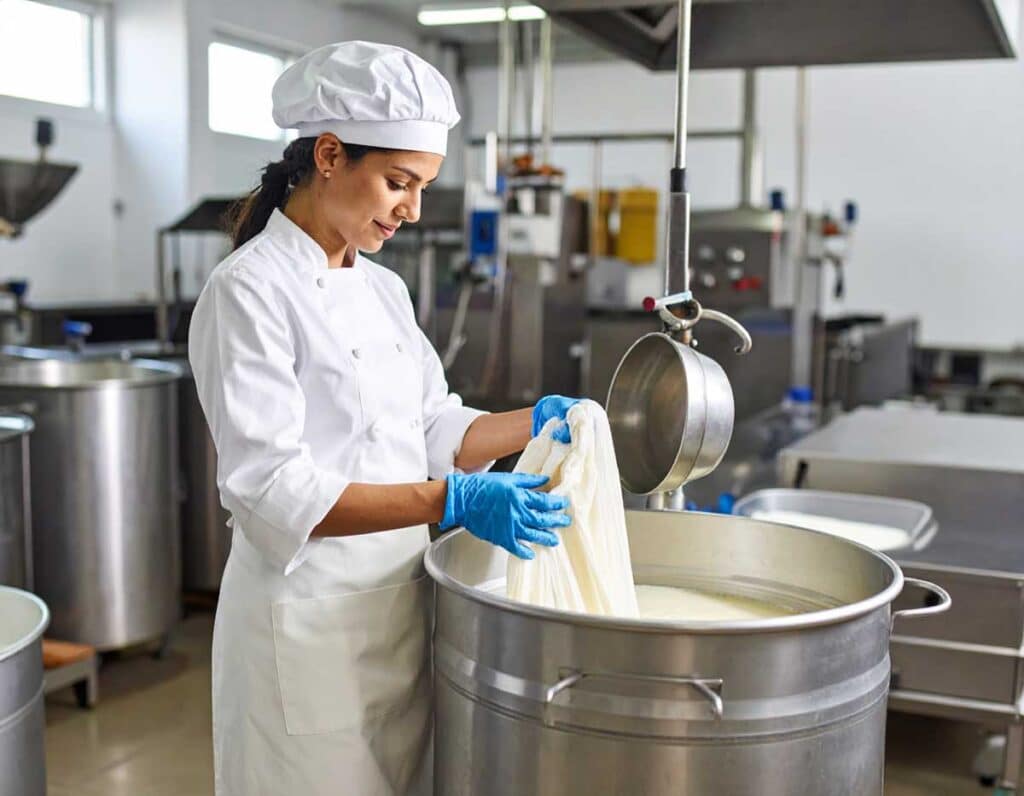
Why Commercial Kitchens Rely on Cheesecloth
In professional kitchens, efficiency is everything. Chefs and prep teams depend on tools that are quick to use, multipurpose, and affordable—and cheesecloth checks all those boxes. It’s commonly used in:
- Straining stocks, sauces, and consommés – for a smooth, clear finish without impurities or solids
- Bundling herbs and spices – creating bouquet garni or sachets for flavor infusion without mess
- Draining curds and yogurt – ideal for cheese-making or creating thick, creamy textures
- Wrapping meats or fish – especially useful for poaching, smoking, or curing
- Clarifying butter or broths – separating out milk solids or fine particles for clarified butter or consommé
- Proofing bread – covering dough to keep it moist and protected during the rise
- Cleaning and polishing – thanks to its lint-free and absorbent properties, it’s also handy for wiping knives, dishes, or delicate surfaces

Because of its versatility and food-safe properties, many commercial kitchens keep cheesecloth on hand for both daily prep and specialty techniques.
Choosing the Right Cheesecloth Grade for Kitchen Use
Not all cheesecloth is the same. It’s available in various grades, which refer to the tightness of the weave and the weight of the cloth. The higher the grade number, the finer and denser the weave.
Here’s a quick guide to common grades used in culinary environments:
- Grade 10–40: Loosely woven, very breathable—best for lightweight tasks like covering food or wrapping herbs
- Grade 50: A reliable all-purpose option that balances breathability and structure—suitable for most straining and bundling jobs
- Grade 60–90: Tight weave, durable and reusable—ideal for fine straining, reusable filters, and high-volume kitchens
For most commercial kitchens, Grade 50 or Grade 90 will offer the best value. Grade 50 works well for general use, while Grade 90 is more durable, washable, and easily reusable, making it a cost-effective choice over time—especially for cheesecloth bulk buyers who want consistent performance across high-demand environments.
Bulk Buying Tips for Commercial Kitchens
When buying cheesecloth for professional foodservice use, here are a few things to keep in mind:
- Rolls vs. Pre-Cut Sheets
Buying cheesecloth by the roll offers greater flexibility. Your kitchen staff can cut the exact size needed for each task, reducing waste and allowing for consistency across prep stations. Pre-cut sheets can be convenient for certain uses, but they may be too small or too large for many applications. - Unbleached vs. Bleached
Both types are food-safe, but unbleached cheesecloth is preferred by many chefs and food processors for its more natural, chemical-free properties. It’s also more environmentally friendly and has a rustic, organic appearance that works well for artisanal food production or packaging. - Food-Grade Quality Matters
Make sure your supplier offers food-grade cheesecloth, especially if you’re using it in direct contact with food. This ensures that the fabric is free from contaminants, dyes, or chemicals that could affect taste or safety. - Consider Your Use Frequency
If your team goes through large volumes of cheesecloth daily—for example, straining liters of broth, or producing batches of fresh cheese—it makes sense to invest in a higher-grade cloth that can be washed and reused several times. If you’re only using it for occasional prep work, lower-grade disposable cheesecloth may be sufficient. - Check Supplier Reliability
In the fast-paced world of foodservice, a delay in supplies can mean missed deadlines or compromised dishes. Work with a supplier who understands your industry and can provide quick, consistent delivery—especially if you’re a Canadian buyer looking to avoid delays or import fees. For cheesecloth bulk buyers, having a dependable wholesale partner is essential.
Why Bulk Buyers Choose Vantex Innovations
At Vantex Innovations, we supply high-quality, food-grade cheesecloth in a wide range of grades, widths, and roll lengths. Our cheesecloth is trusted by commercial kitchens, catering businesses, and food production facilities across Canada.
We offer:
- Bulk rolls in a variety of grades and widths
- Multiple grades to suit any culinary application
- Fast shipping across Canada and North America
- Competitive wholesale pricing and responsive customer support
We understand the needs of cheesecloth bulk buyers and work hard to deliver consistent quality and reliable supply to help you keep your kitchen running smoothly.